Choosing the best wheel depth can feel like a minefield. Back in the day, the entire pro peloton was riding around on very light, non-aero gear to gain a gravitational edge on decisive climbs. As tech and wind-tunnel testing have developed, the pendulum has swung quite far in the other direction.
Today, it’s not uncommon to see pros racing on bikes that weigh north of 7.5 kg, quite a stretch from the 6.8 kg UCI weight limit. They are more than happy to sacrifice some weight to make their bikes as aerodynamic as possible. Considering the recent fastest stage of the Tour de France was ridden at over 50 km/h, aerodynamics is a huge factor. And let’s not forget crosswinds, but we’ll get to that later…
But is it always as simple as “aero beats everything” in modern cycling? Not exactly.
When it comes to selecting your bike’s wheel depth, there are four key factors to consider. (Maybe five, as we all know aesthetics is as important as anything.)
1. Your Typical Terrain and Course Type
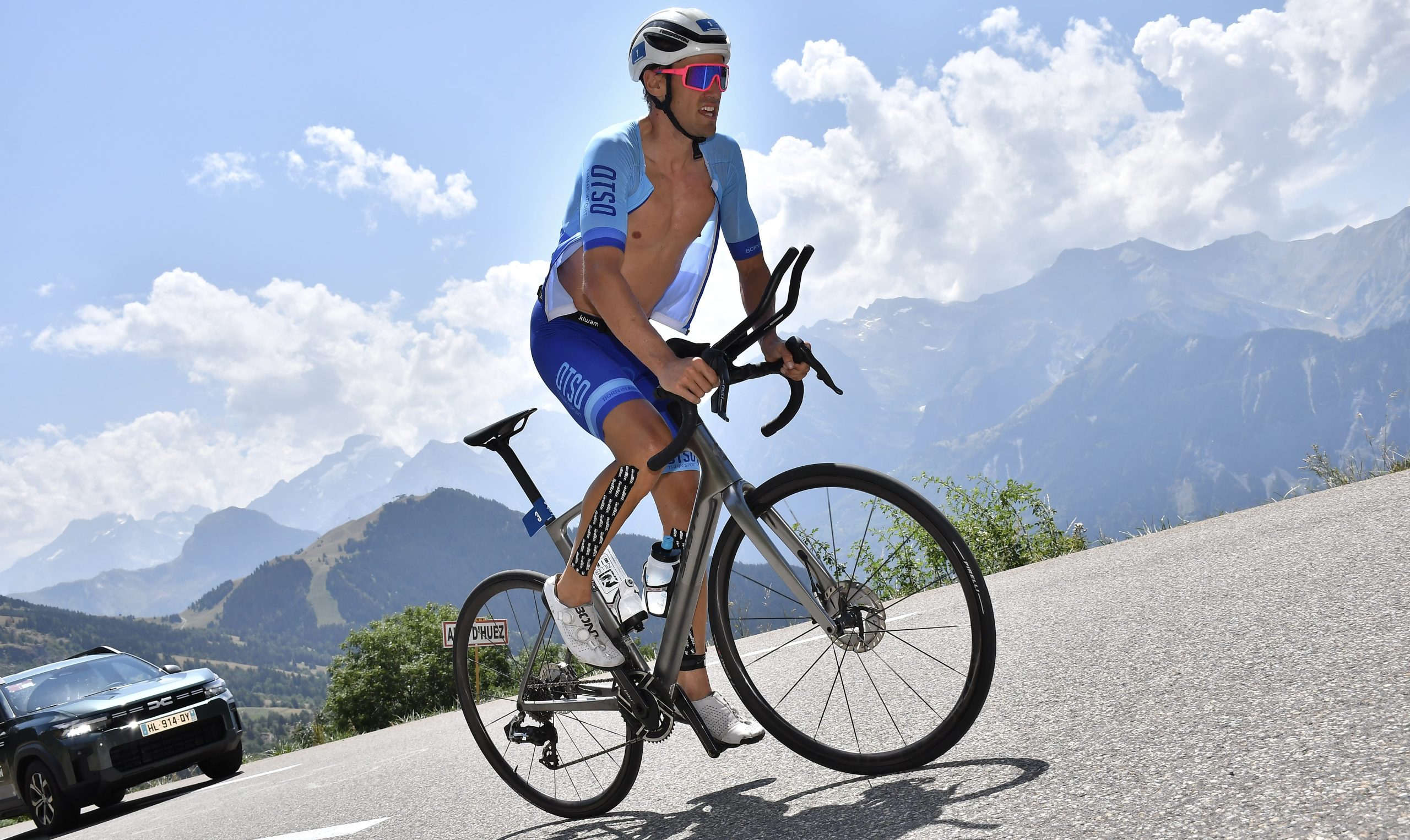
Thomas Steger winning the Alpe d'Huez Triathlon on the ultralight ARCARIS 8848 Pro!
Are you riding punchy hills, long mountain passes, or flat coastal roads? Although aero is important, gravity still rules the steeps. For example, our athlete Thomas Steger recently won the Alpe d’Huez triathlon on a lightweight road bike equipped with our ARCARIS wheels. On a grueling bike course featuring 3,000m of climbing across just 120km, a lightweight wheelset presents an undeniable advantage on steep gradients. While aero is important, you can’t escape the fact that every gram on your bike must be pushed up every meter of elevation.
You can use the tool below to help you understand whether a shallow and ultralight climbing wheel like the ARCARIS 8848 or a deeper and heavier aero wheel will be faster at your speeds on your course:
How many wheelsets are you planning to own? If you have two or three at your disposal, you can pick specific tools for specific jobs. A super shallow (under 35mm) wheelset can be used for big elevation days, while a deeper, heavier set can be swapped in for rolling hills or flat days.
However, if you are only planning to own one wheelset, you have to choose. Do you want ultralight climbing wheels because you live in the mountains? Or perhaps a mid-depth wheelset that climbs great but also holds speed on the flats? Alternatively, if you live somewhere very flat, like Florida, a deep 60mm+ wheelset is perfect year-round, helping you save watts during your turns on fast group rides or stay away in race breakaways.
3. Rider Weight and Raw Power
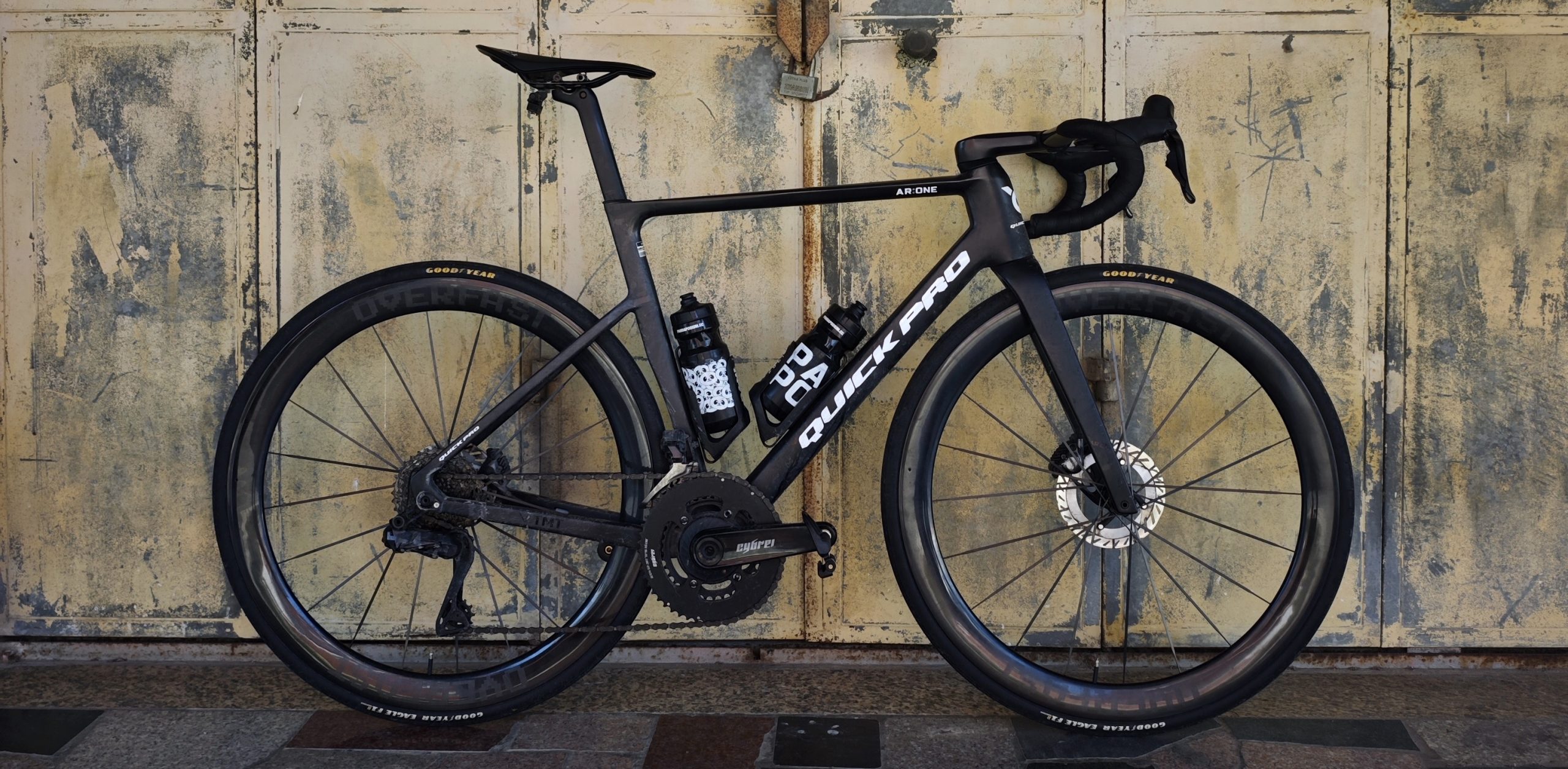
Our Quick Pro sprint team riders all prefer heavier, stiffer and deeper wheels to handle their power numbers.
Lightweight wheels are excellent for going uphill, but as materials and weights get pushed to their limits, they can become unpleasant or even unsafe for heavier, more powerful riders.
It’s important to view the bike and rider as a complete system. A 6.8 kg bike is proportionally the same (or even much heavier) for a very light rider as a 7.5 kg bike is for a heavier rider. While you don’t need to overthink the math, be aware that gear weight limits exist for safety.
Furthermore, ultralight gear might flex too much under high power, meaning it won’t ride well for bigger sprinters or powerful rouleurs.
4. Ride Feel and Handling
Team BUTCHER BOX rocking the CRW CS 5060s for their flatter faster crit races.
Your wheels heavily influence how your bike handles:
Shallow/light wheels make the bike’s handling feel very snappy and responsive. There isn’t much weight to throw around, making them playful.
Deep wheels offer more stability at high speeds due to increased rotating mass. They act like a flywheel, preferring to roll fast and straight, keeping their forward momentum rather than changing direction instantly.
Crosswinds are also a major factor. Deep wheels are more susceptible to crosswind interference, whereas shallow wheels remain predictable. Experienced riders can handle deep wheels in very windy conditions, but just like ultralight gear, everything has its limits.
A mid-depth wheel often strikes the perfect balance between being light, playful, aero, and stable. Super shallow or super deep wheels are much more specialist.
5. Aesthetics
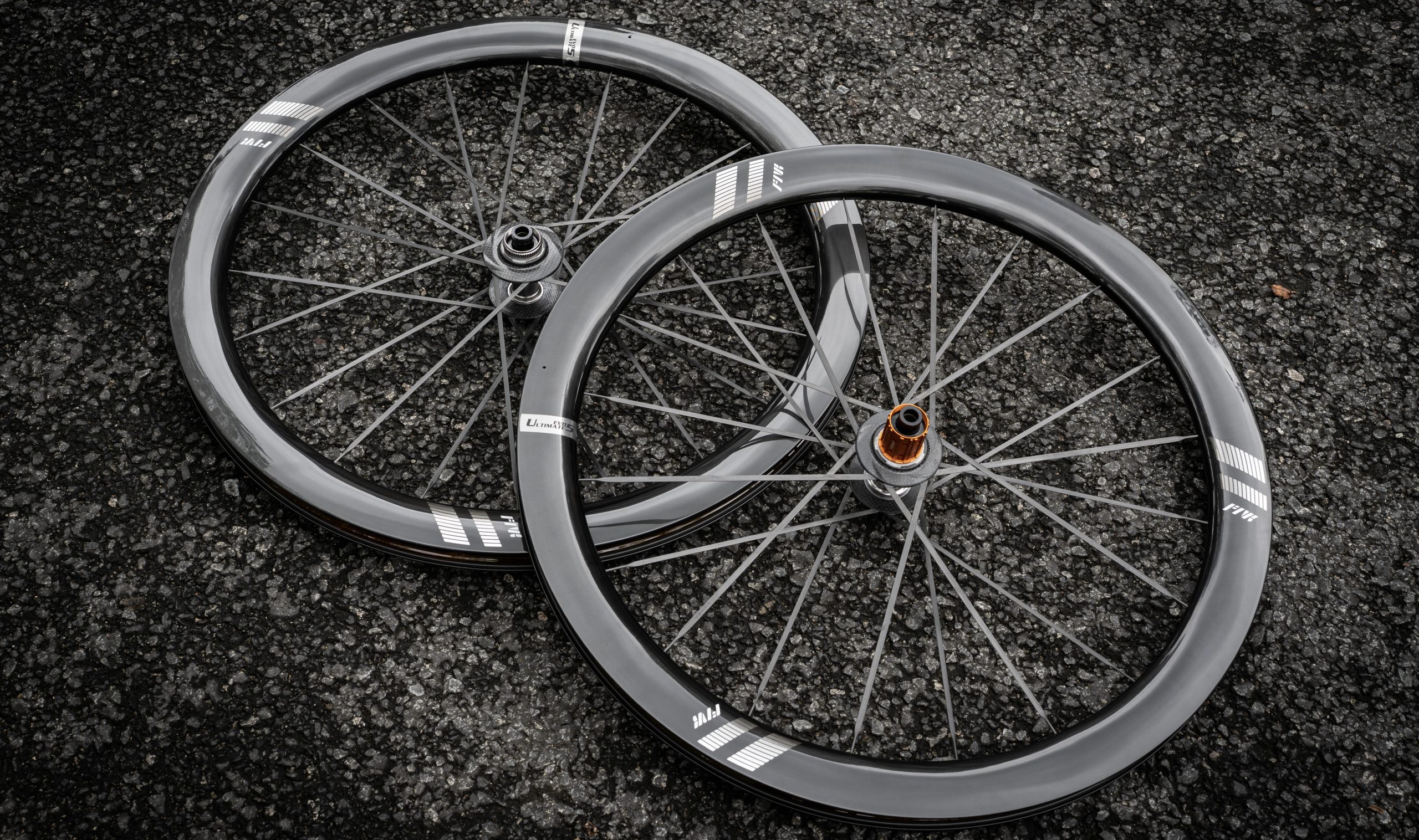
FARSPORTS C6 EVO
We are not so foolish as to pretend that many of us don’t live and die by the sword of aesthetics. Cycling is a very aesthetic sport, and although we all want to go as fast as possible, having a bike that you stare at as you leave it in the garage (or above your TV in the living room, cough cough) will make you want to ride it more, and that will make you faster too. Different bikes look good with different wheel depths, and it’s often just down to preference.
So which depth belongs on your bike?
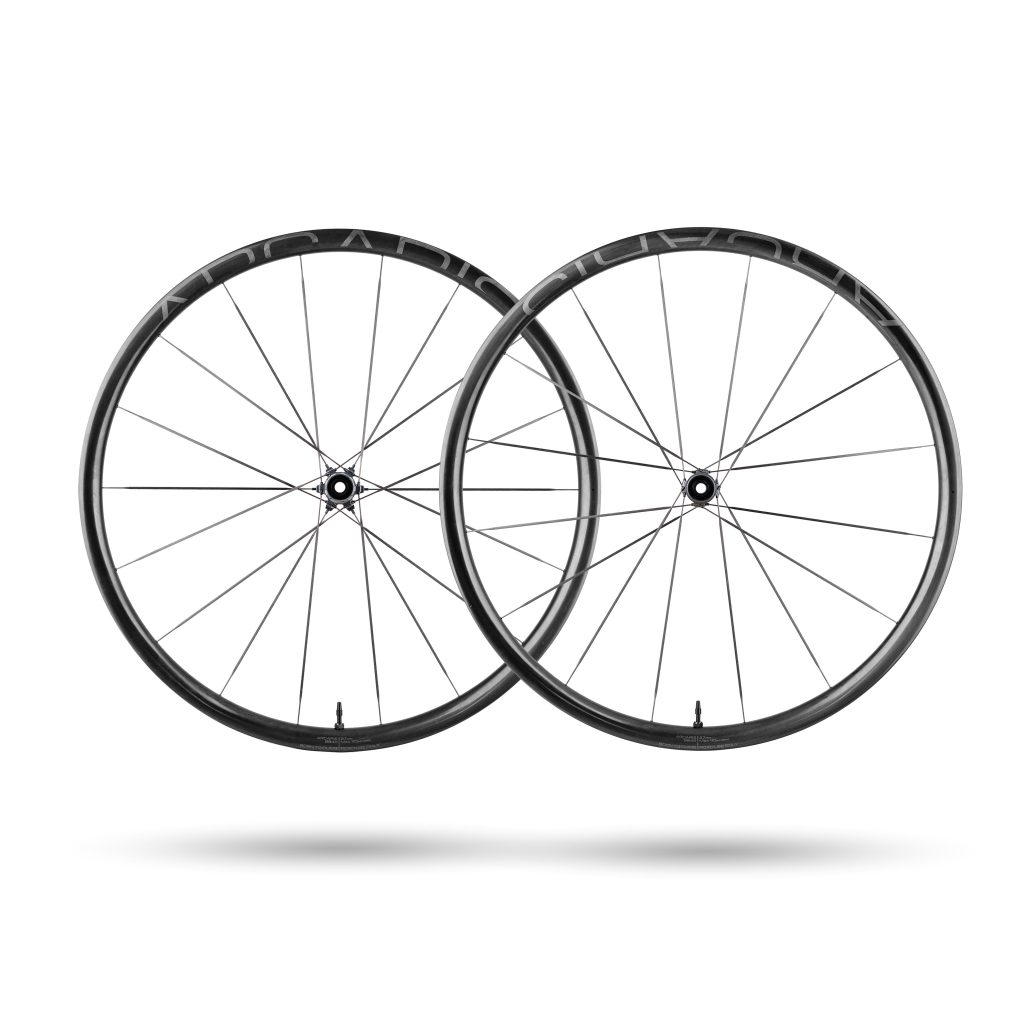
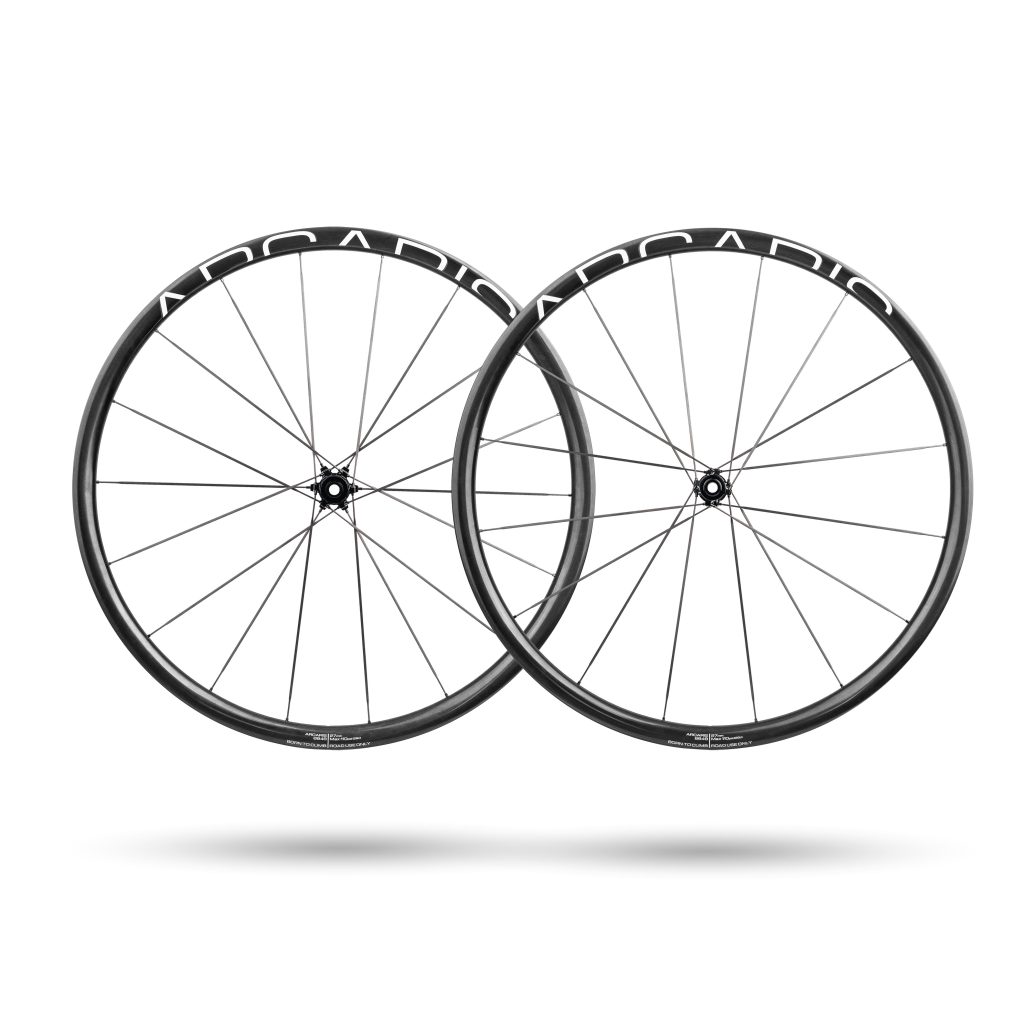
The Pure Climber: Under 35mm
Best for: Steep climbs, mountain passes, and lightweight bike builds.
Why choose them: Low weight, quick acceleration, easy handling, and highly predictable in strong or changing crosswinds.
Best suited to: Climbers and lighter riders who prioritize agility over flat-road speed.
Select options
This product has multiple variants. The options may be chosen on the product page
$1,599.00–$2,499.00Price range: $1,599.00 through $2,499.00
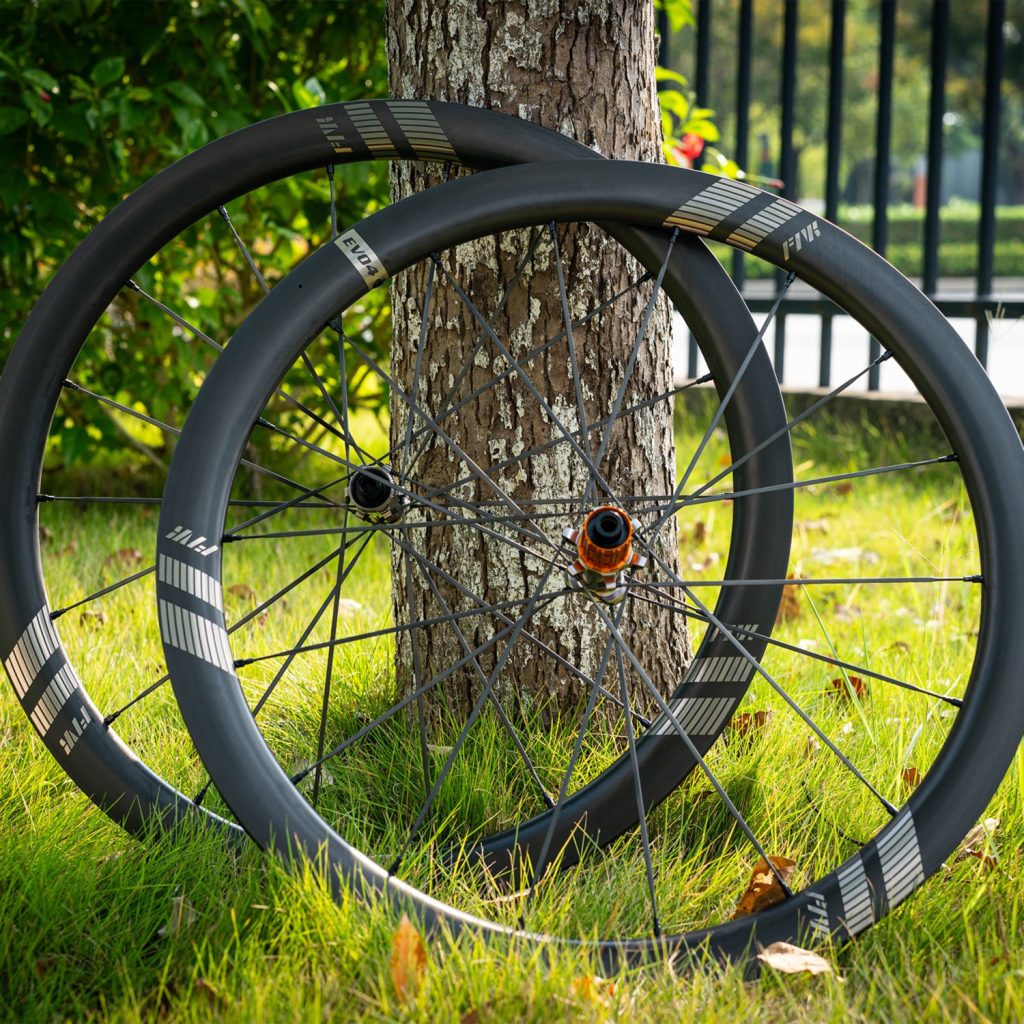
The All-Rounder: 45–50mm
Best for: Rolling terrain, fast group rides, and mixed-course racing.
Why choose them: This is the sweet spot for many riders. You get strong aerodynamic efficiency and stability in variable winds without adding too much weight.
Best suited to: Riders wanting one wheelset that performs well almost everywhere. Across a mixed course, a mid-depth wheel is often the fastest overall option.
Select options
This product has multiple variants. The options may be chosen on the product page
If you still need help making sense of the numbers and want some more personal advice, please jump into the live chat on our site, and we can help you find what you need! 🐼







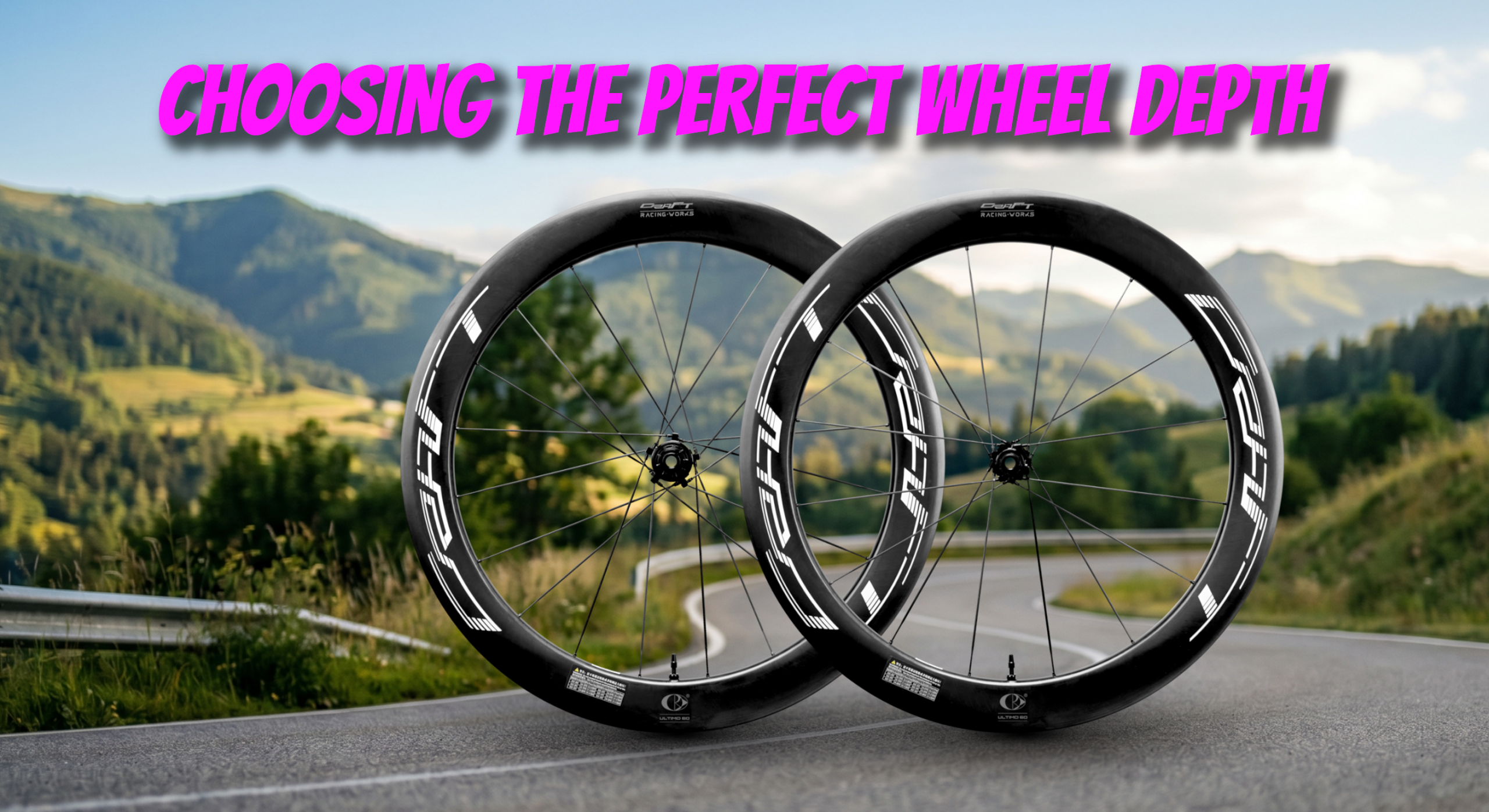
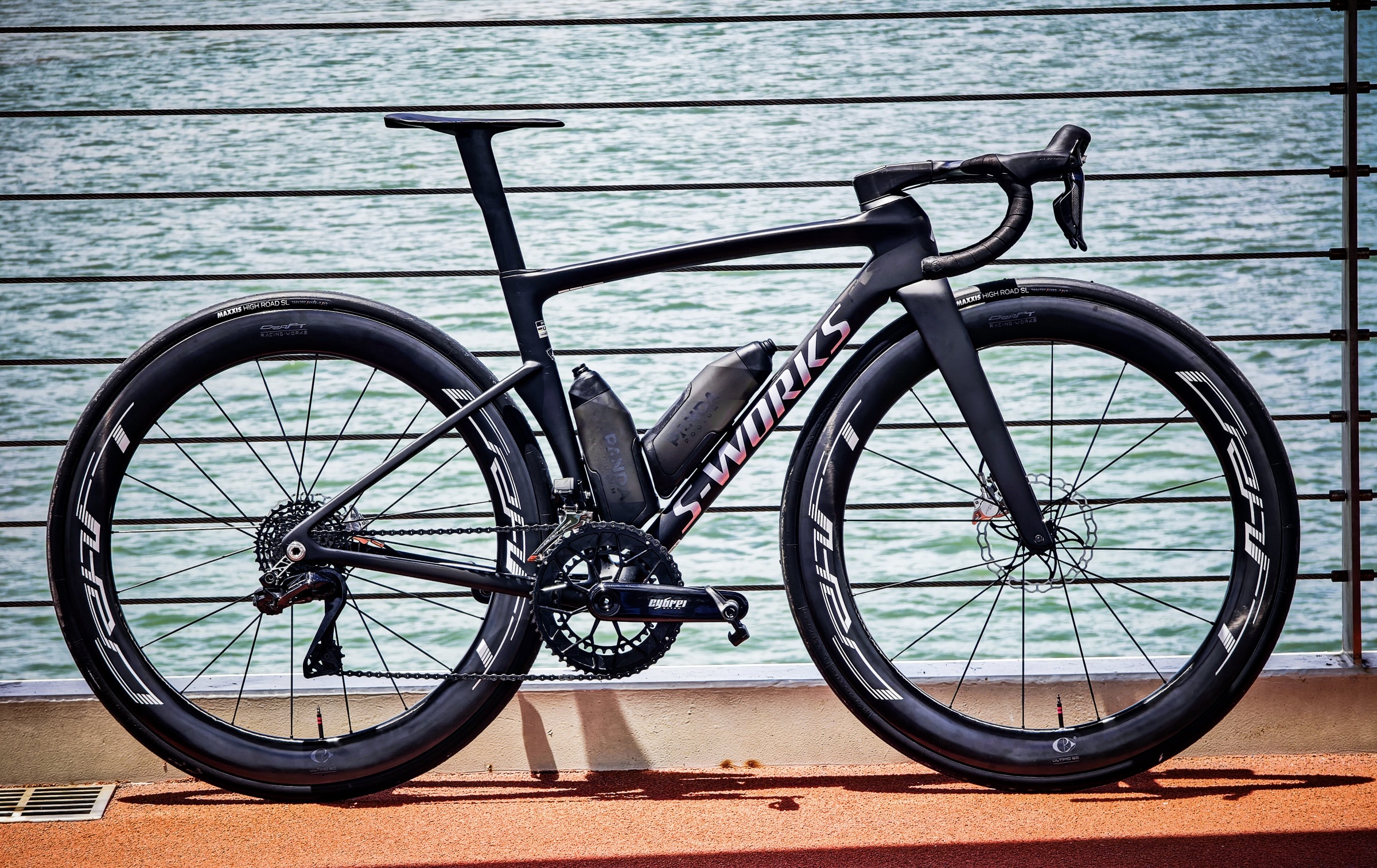
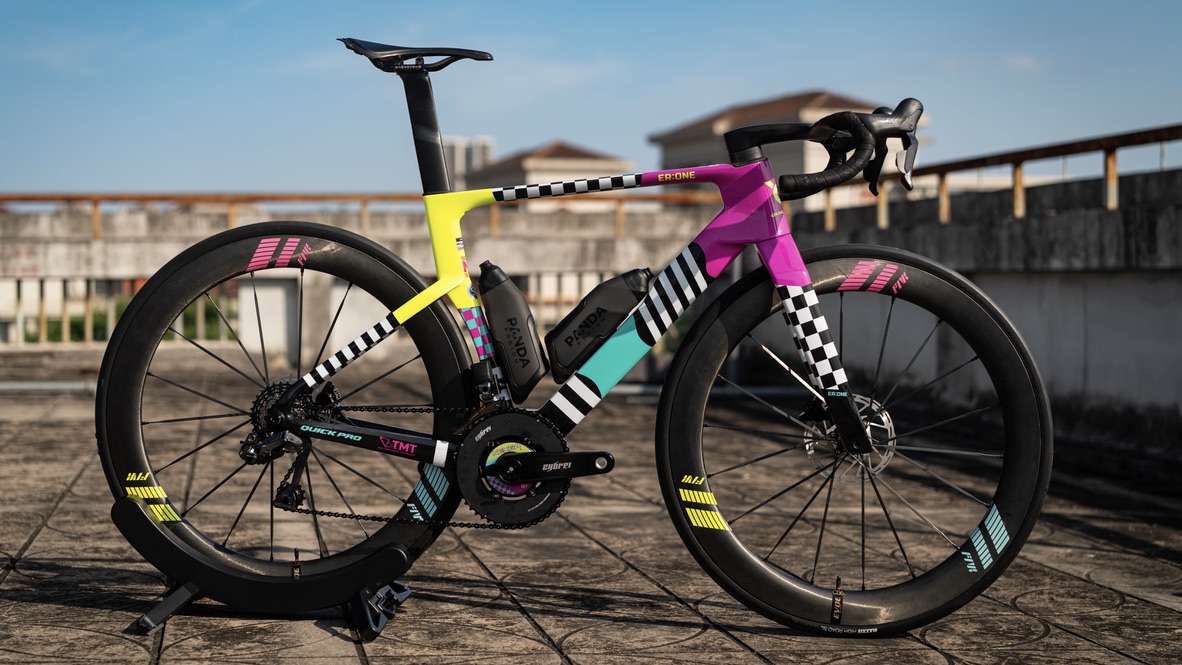
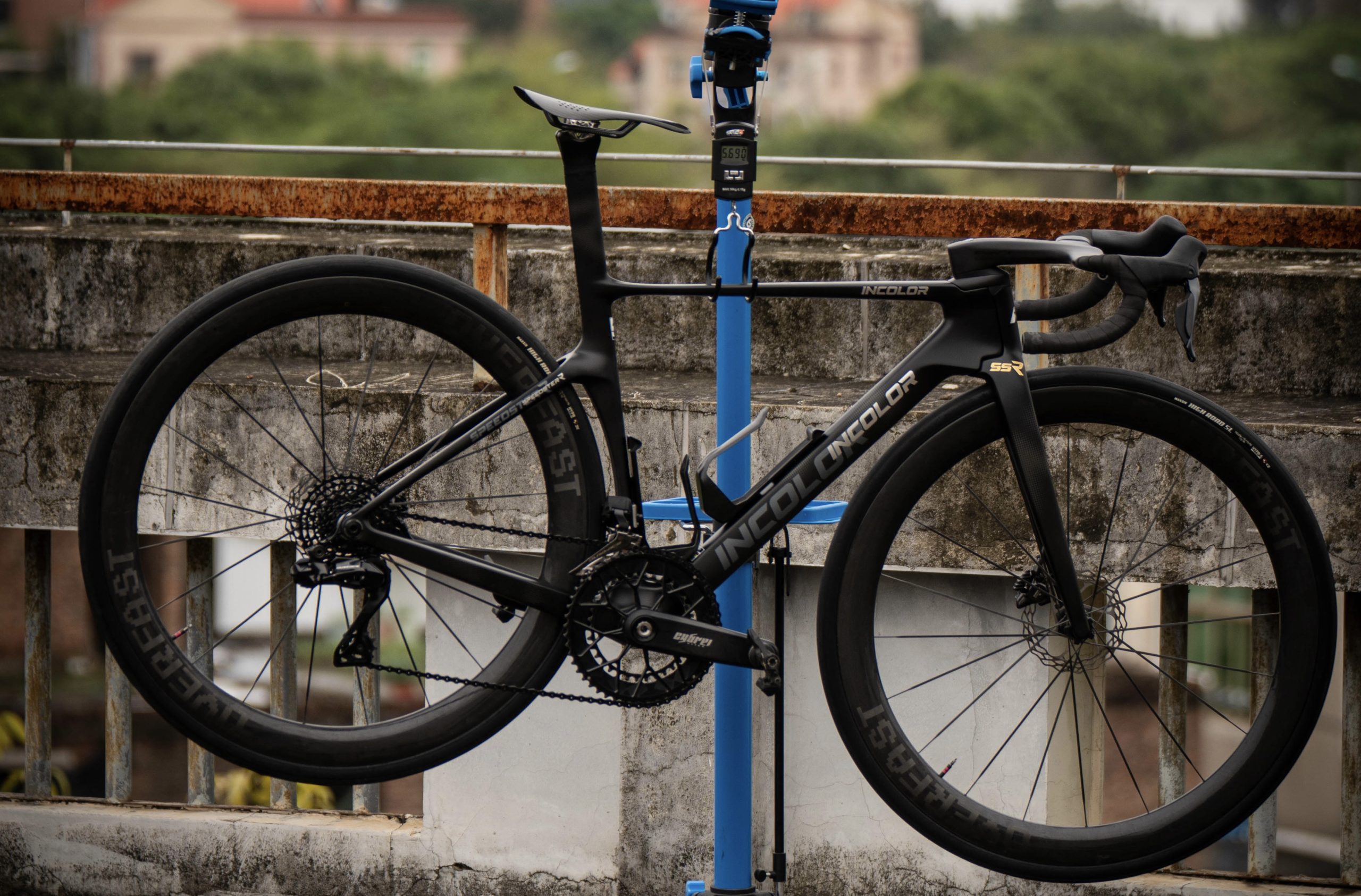
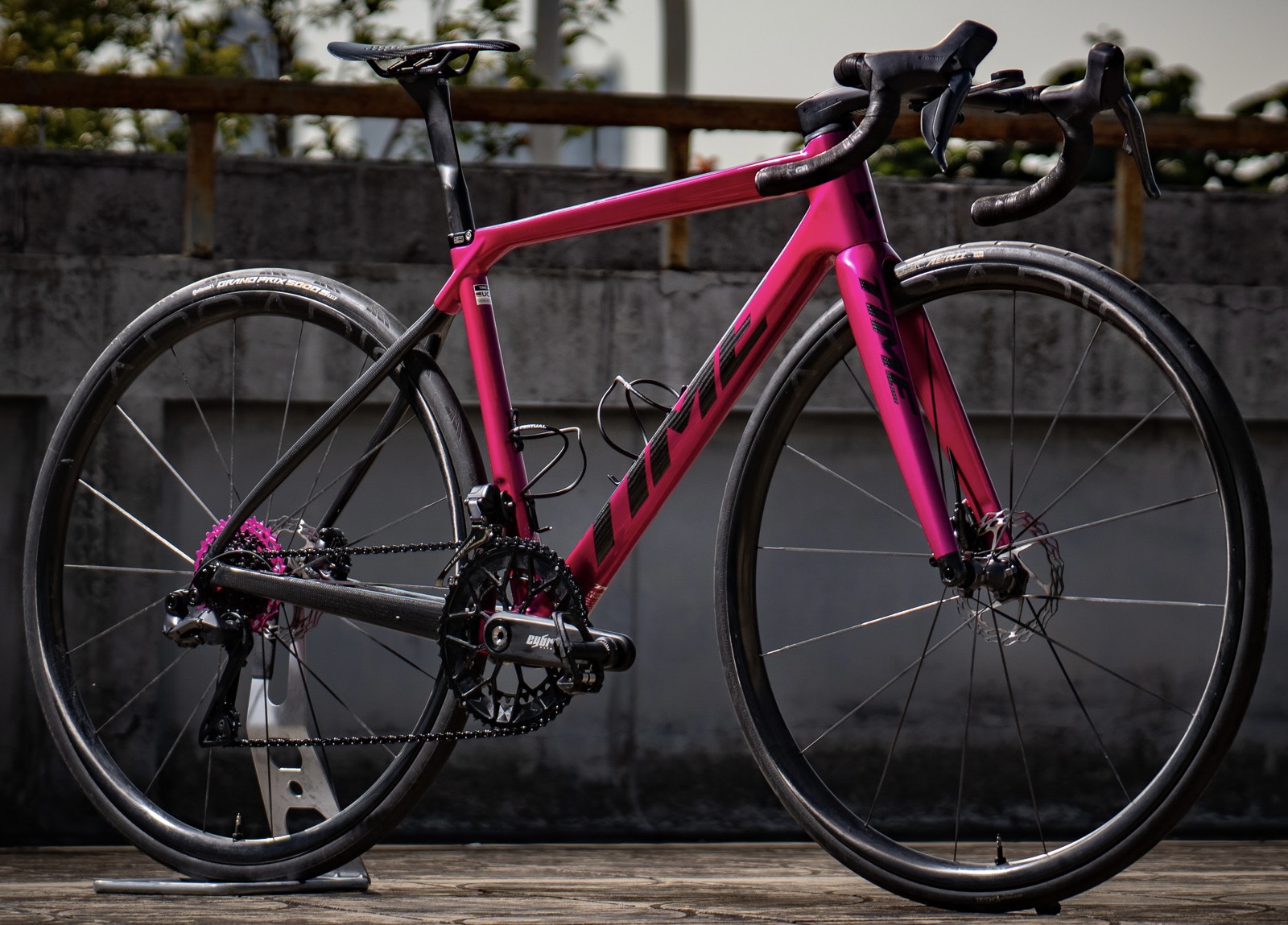
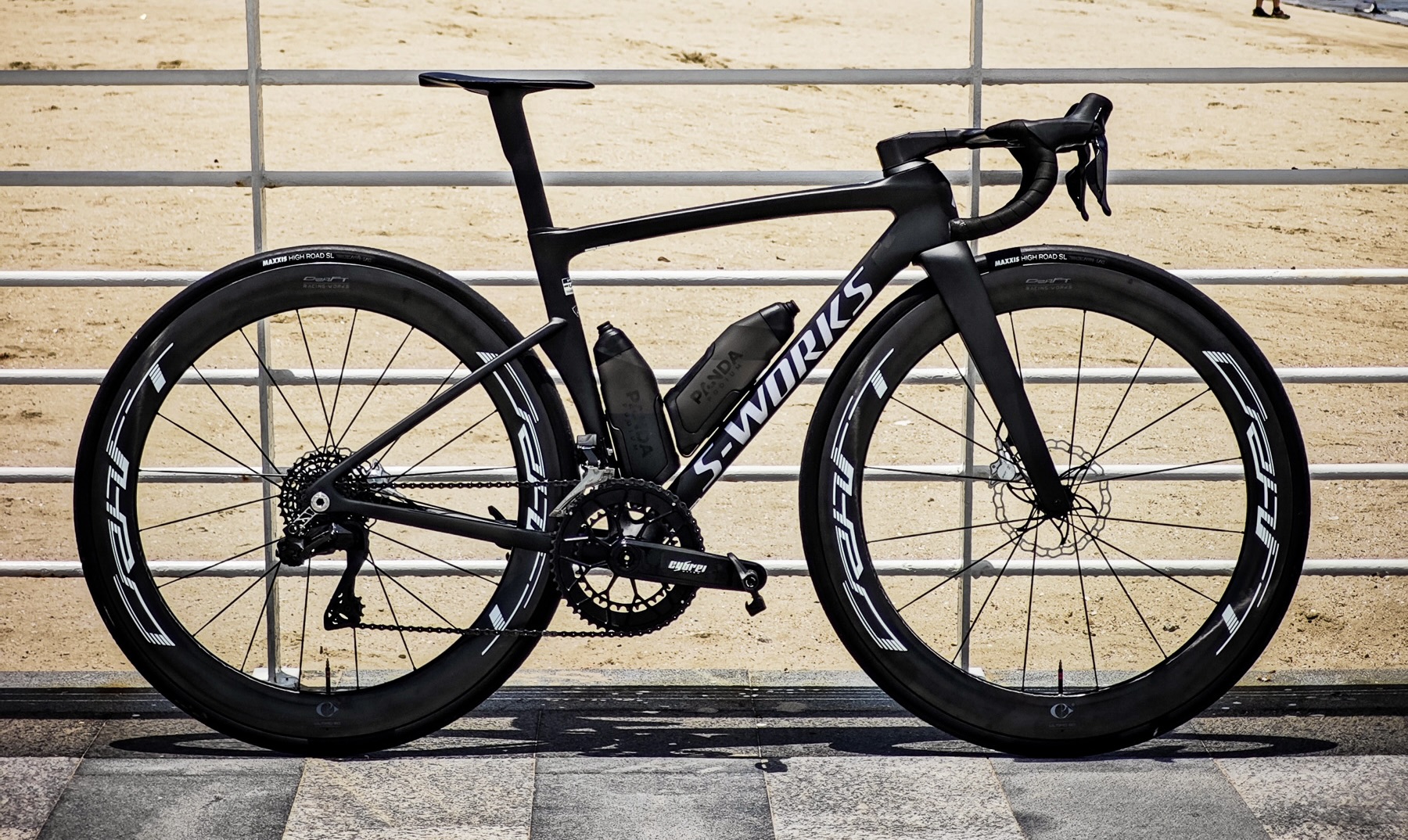
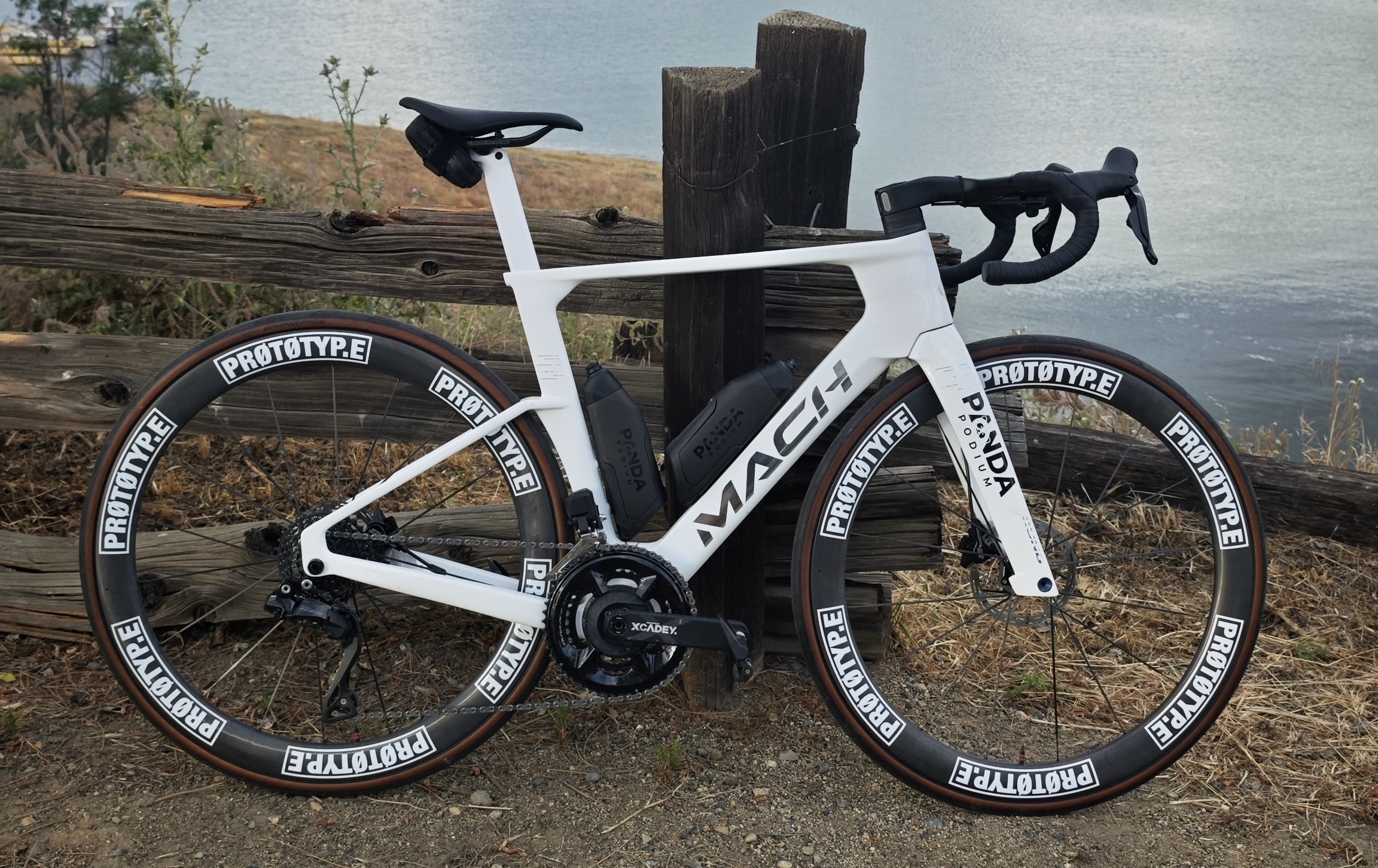
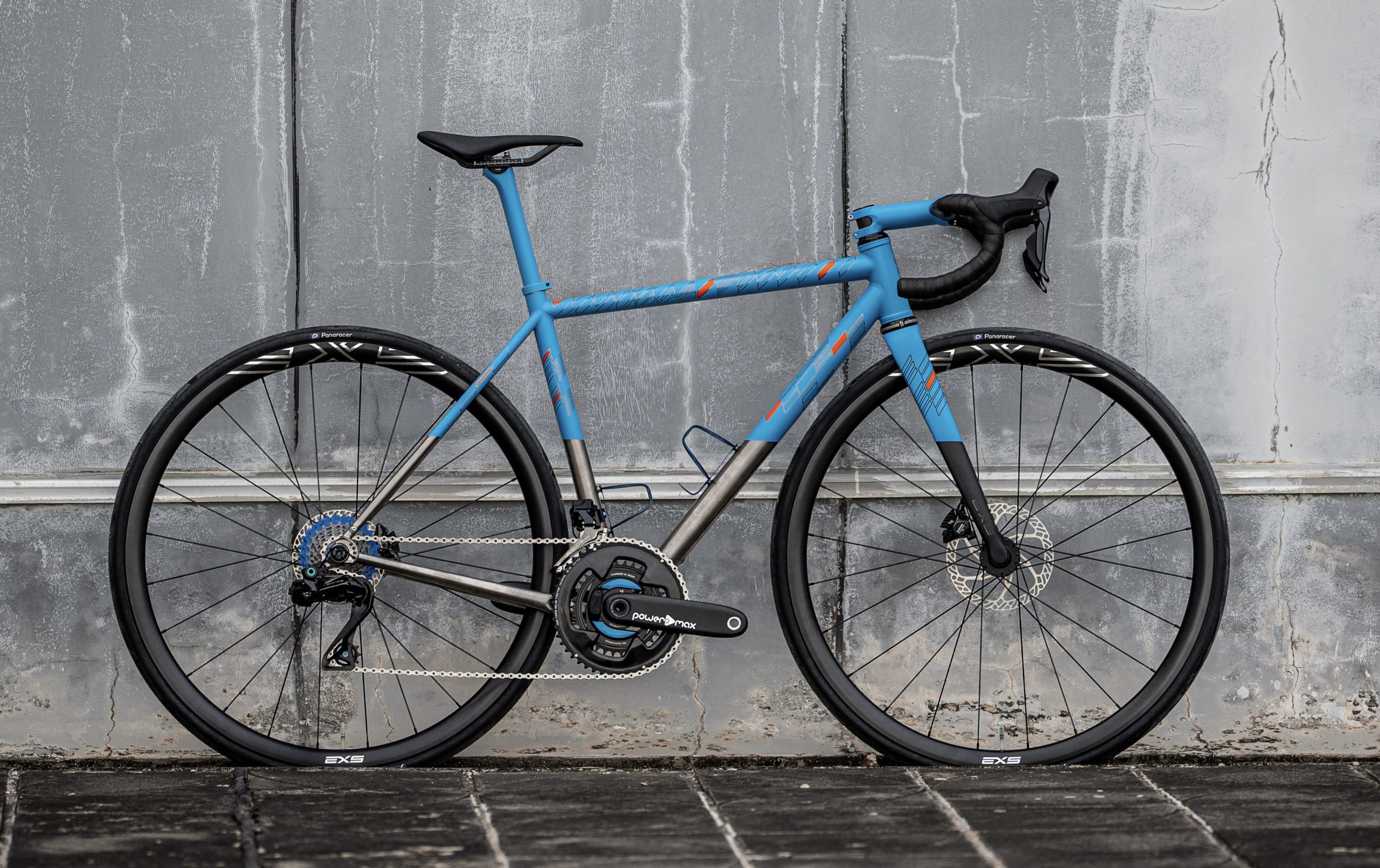


 Select options This product has multiple variants. The options may be chosen on the product pageWheels Tires & Tubes, Wheelsets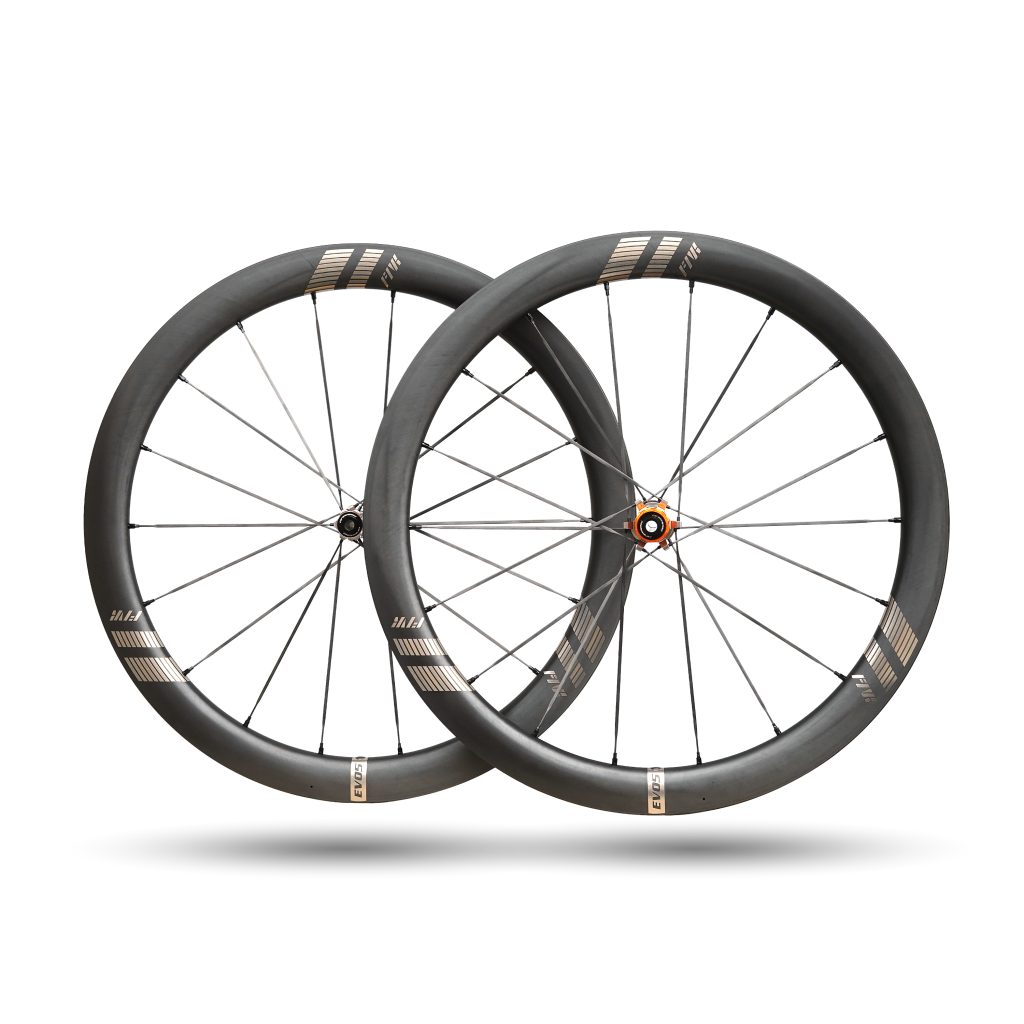
 Select options This product has multiple variants. The options may be chosen on the product pageWheels Tires & Tubes, Wheelsets
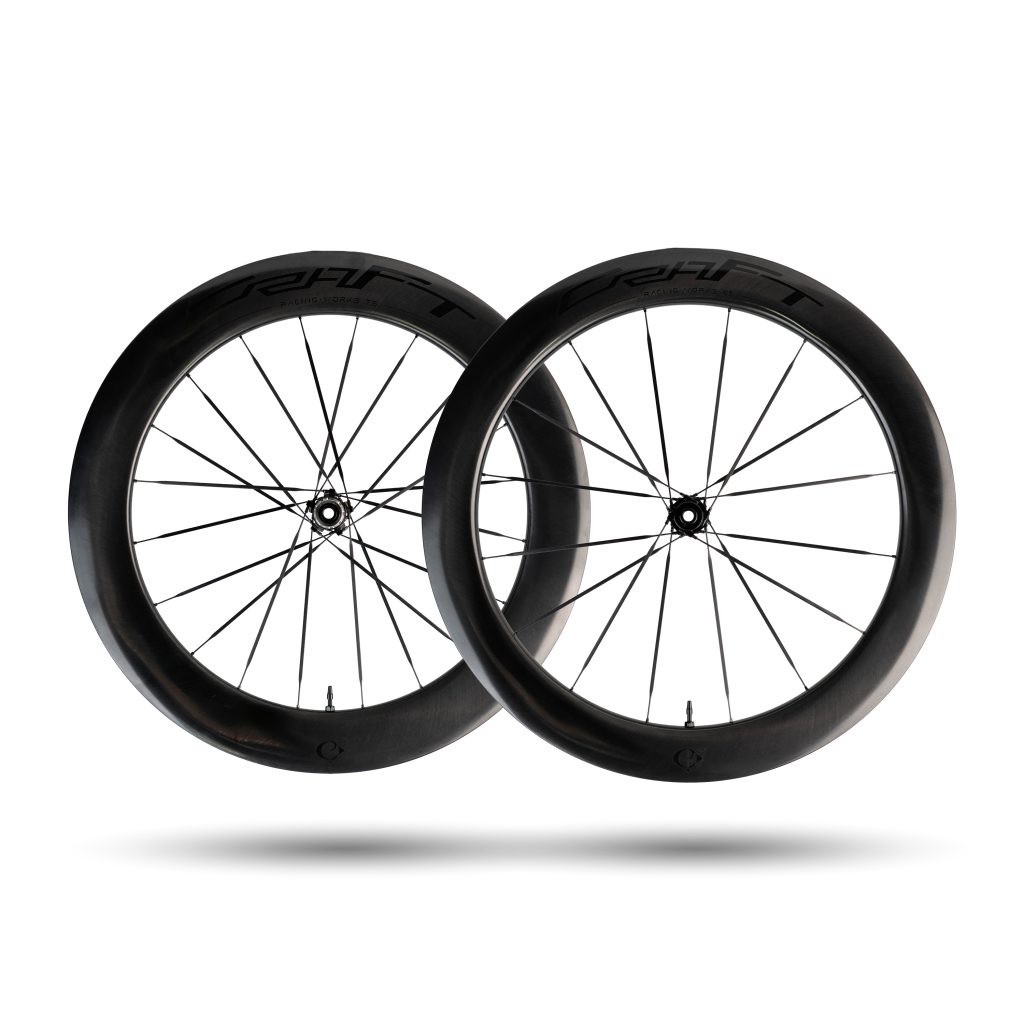 Select options This product has multiple variants. The options may be chosen on the product page




Leave a Reply
You must be logged in to post a comment.